Frequently Asked Questions about Oxidized Bitumen 75/25
FAQ: What is Oxidized Bitumen 75/25?
What is Oxidized Bitumen 75/25 and how is it made?
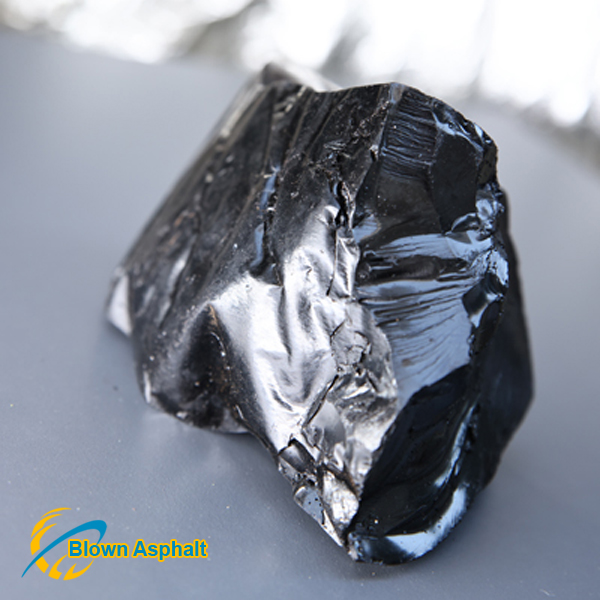
Blown Asphalt 75/25 is a semi-solid grade of bitumen produced by blowing air through standard penetration bitumen at high temperatures. This process increases the softening point while decreasing penetration and ductility. As a result, it becomes more heat-resistant and less flexible, making it suitable for industrial applications like waterproofing and pipe coating.
Where is Bitumen 75/25 commonly used?
You will find Bitumen 75/25 in roofing, road construction, pipe coatings, bridge joints, and expansion seals. It performs exceptionally well in areas exposed to high temperatures or where strong waterproofing and chemical resistance are required. Many industrial sectors prefer this grade for its durability and long-term performance.
Is Blown Asphalt 75/25 environmentally safe?
While Oxidized Bitumen 75/25 is derived from petroleum, it poses minimal risk when properly applied and cured. It is non-soluble in water and does not leach harmful substances. For best results, always follow safe handling procedures and environmental guidelines during transportation and application.
How does Bitumen 75/25 perform in extreme temperatures?
This bitumen grade handles temperature extremes very well. Its high softening point (around 75°C) ensures it does not melt in hot conditions. At the same time, its stable composition prevents brittleness in cooler environments. These characteristics make it a reliable choice for demanding weather conditions.
What are the benefits of using Oxidized Bitumen over traditional bitumen?
Oxidized Bitumen offers better thermal stability, lower penetration, and improved aging resistance compared to traditional penetration-grade bitumen. It also maintains its structural integrity longer under mechanical stress and chemical exposure. These advantages reduce maintenance costs and extend service life.
How should I store and handle Oxidized Bitumen 75/25?
Store the material in a dry, shaded area away from direct sunlight or open flames. Use steel drums or bitumen blocks for safe storage. When handling, heat the bitumen slowly to 180–220°C and wear heat-resistant gloves, face shields, and protective clothing to prevent burns or injuries.



Leave a Reply
Want to join the discussion?Feel free to contribute!