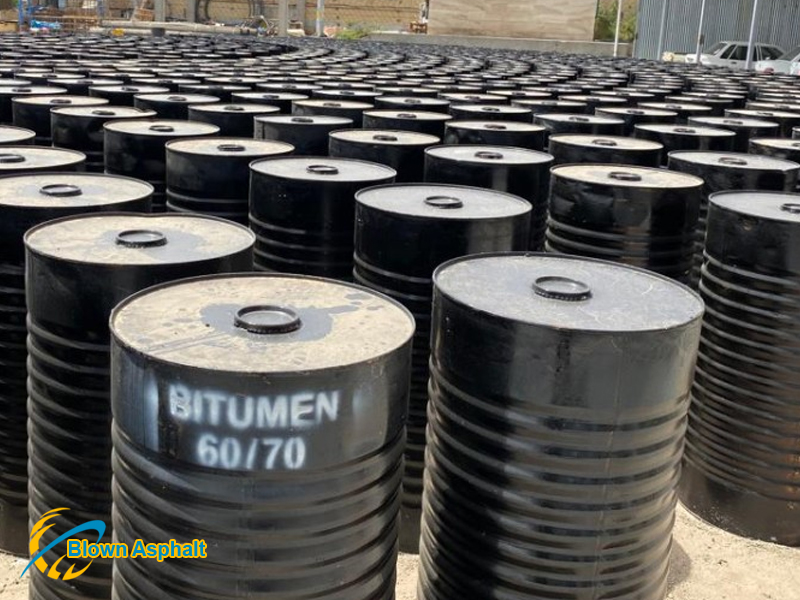
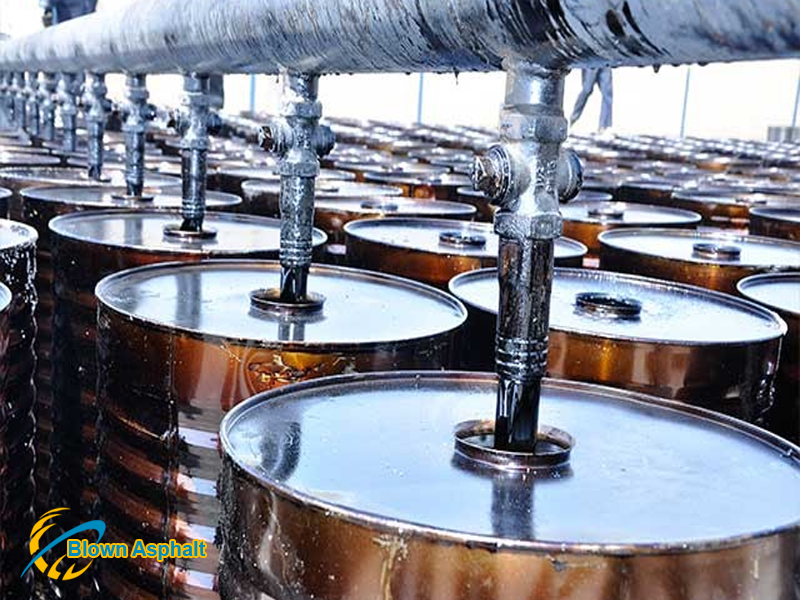
What is Bitumen 60/70?
Bitumen 60/70 is a penetration grade bitumen, which means its hardness and viscosity are measured by the degree of penetration of a standard needle at 25°C.
The numbers 60/70 indicate that the needle penetration is between 60 and 70 decimeters. This grade of bitumen is known for its optimal balance of hardness and flexibility, making it suitable for a variety of industrial applications.
Characteristics of Bitumen 60/70
- Penetration: 60-70 mm
- Softening Point: 48-56°C
- Flash Point: Minimum 230°C
- Ductility: Minimum 100 cm
- Solubility in Trichloroethylene: Minimum 99%
- Color: Black or dark brown
Industrial Applications of Bitumen 60/70
Bitumen 60/70 is highly valued for its versatility and robustness. Here are some of the most significant industrial applications:
1. Road Construction
Bitumen 60/70 is extensively used in the construction of asphalt pavements. Its properties ensure a durable, smooth, and safe surface for vehicles.
The bitumen binds the aggregate particles together, providing stability and reducing road maintenance costs.
For road repairs and maintenance, Bitumen 60/70 is used in patching materials and slurry seals. Its adhesive properties ensure that repair materials bond well with existing road surfaces, extending the life of the repairs. (uses of Bitumen 60/70 in Road Construction)
2. Waterproofing
Bitumen 60/70 is a key component in waterproofing membranes used for roofs. Its impermeable nature prevents water penetration, protecting buildings from water damage and leaks.
In foundation waterproofing, Bitumen 60/70 is applied to prevent groundwater from seeping into basements and underground structures. This application is crucial in areas with high water tables or heavy rainfall.
3. Roofing
Bitumen 60/70 is used in the production of roofing felt, which provides an additional layer of protection against the elements. The bitumen coating ensures the felt is waterproof and durable.
Bitumen 60/70 is also used in the manufacture of asphalt shingles, a popular roofing material due to its cost-effectiveness, durability, and ease of installation.
4. Industrial Flooring
Bitumen 60/70 is used in industrial flooring systems to provide a durable and resilient surface. Its application in factories, warehouses, and workshops ensures a long-lasting floor that can withstand heavy machinery and traffic.
5. Pipe Coating
In the oil and gas industry, Bitumen 60/70 is used to coat pipelines to prevent corrosion and protect against harsh environmental conditions. The bitumen layer acts as a barrier, extending the life of the pipelines.
6. Insulation
Bitumen 60/70 is used in insulation materials to provide thermal resistance and waterproofing. It is commonly used in building construction to insulate walls, roofs, and foundations.
7. Adhesives and Sealants
Bitumen 60/70 is a critical component in the production of industrial adhesives and sealants. Its adhesive properties ensure strong bonds and long-lasting seals in various applications, including construction and automotive industries.
8. Damp Proofing
Bitumen 60/70 is used in damp proof courses (DPC) to prevent moisture from rising through walls and floors. This application is essential in building construction to maintain the structural integrity and prevent damp-related issues.
9. Airport Runways
The construction and maintenance of airport runways require materials that can withstand heavy loads and high traffic. Bitumen 60/70 provides the necessary durability and flexibility to handle these demands, ensuring safe and long-lasting runways.
10. Bridge Deck Waterproofing
Bridge decks are exposed to harsh environmental conditions and heavy traffic. Bitumen 60/70 is used in waterproofing membranes to protect the decks from water infiltration and corrosion, enhancing the lifespan of the structures.