Oxidized Bitumen Usage
Oxidized Bitumen, Blown Asphalt high softening temperatures qualify them as the excellent sealant for prevention from bleeding in high-temperature applications.

The most popular grades are; grades 95/25, 85/25, 90/40, and 115/15. We are also capable of producing other grades of Blown Bitumen upon request by our customers. Oxidized Bitumen high softening temperatures qualify them as the excellent sealant for prevention from bleeding in high-temperature applications.
Blown Grade Bitumen shall be broken up into small pieces (for the blown grade in molded cake form) and heated slowly to the application temperature of 220ºC to 230ºC.
Oxidized Bitumen is predominantly used in the piling industry as an anti-slip compound for the manufacture of undercarriage sealants in the automobile industry.
It is also used as a sealant compound, as a joint filling compound apart from being used in the manufacture of roofing felts and sound dampening felts. Further, Oxidized Bitumen is used in the manufacture of bituminous marine mastic, which is required for the oil and gas pipeline joints.
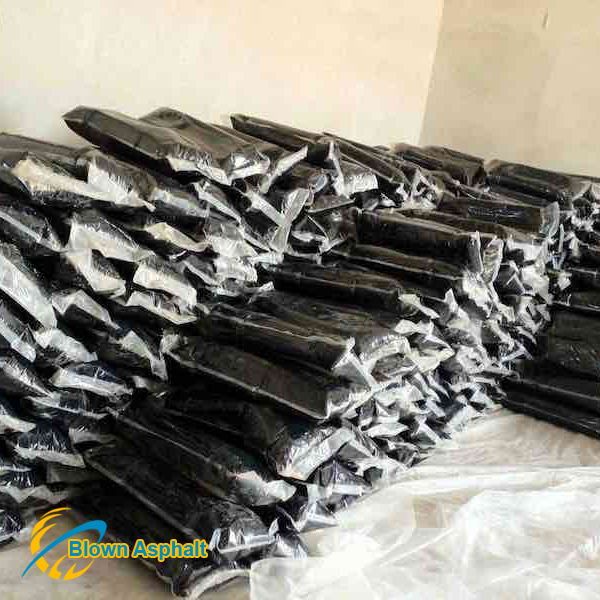
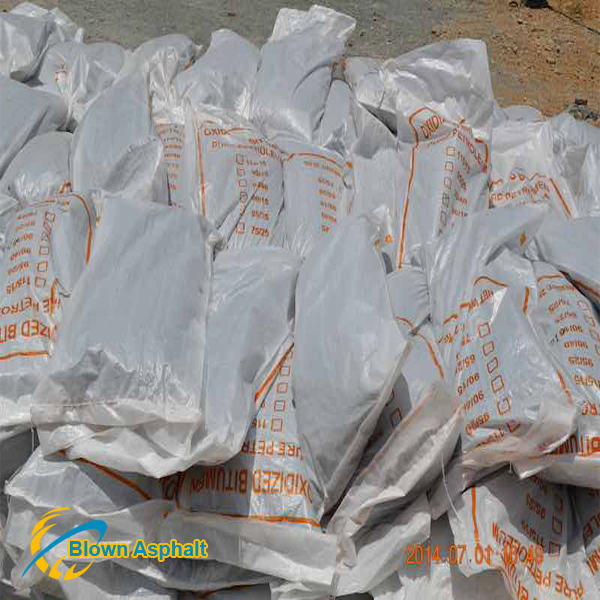
This Oxidized Bitumen is available in different grades like 95/25, 85/25, 75/25, 90/40 and 115/15. Oxidized is also capable of producing other grades of Oxidized Bitumen according to the specifications of individual clients
Closed-process vessel fitted at its base with a sparger and used in the air-blowing process to make many types of roofing asphalt.
An air-blown or Blown Asphalt uses to manufacture roofing materials used in a variety of roofing systems such as asphalt shingles, polymer-modified bitumen roofing, reinforcing and underlayment felts, and roll roofing products.
A roofing system based on membranes manufactured by impregnating or coating one or more fabric plies with a straight-run or oxidized asphalt modified using a polymer, usually atactic polypropylene (APP) or styrene-butadiene-styrene (SBS). Modified bitumen systems may be torch-applied or installed by adhesion in hot asphalt or a cold-applied, solvent-based asphalt adhesive (cutback asphalt). Modified bitumen systems are used on low-slope (primarily commercial or industrial) roofs.

 Production of Oxidized bitumen 150/5